
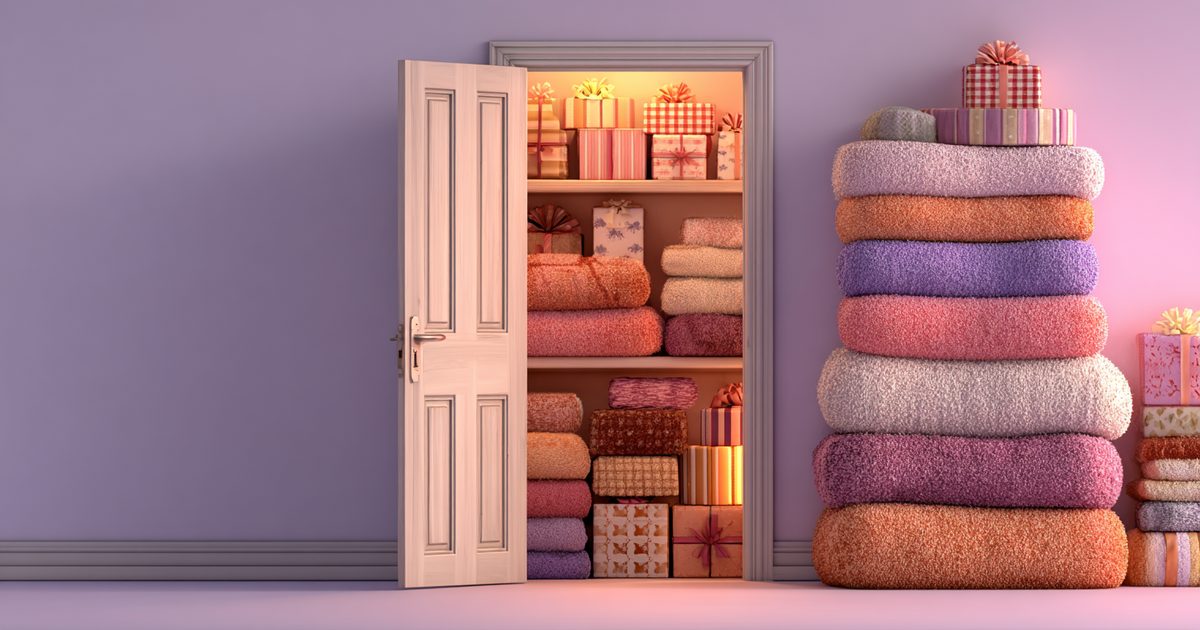
The gift cupboard: why organised families keep a present stash
Somewhere in every seriously organised family home is a cupboard, box or wardrobe shelf that outsiders never see: the gift stash. Pre-bought presents, waiting for their occasion. It sounds like something from a 1950s housekeeping manual; it is actually the single highest-leverage habit in family gifting.
What the cupboard is for
The stash exists to absorb the gifting emergencies that calendars can’t prevent:
- The party invitation that arrives Thursday for Saturday
- The birthday that slipped past the reminder anyway
- The unexpected guest at Christmas who brought you something
- The teacher/coach/neighbour occasion you didn’t see coming
Without a stash, each of these is a panicked full-price dash. With one, it’s a trip to the hallway.
How to stock it (without wasting money)
The failure mode of gift cupboards is buying random discounted things that never match a real recipient — that’s not a stash, it’s a landfill layover. The fix is stocking with intent:
1. Buy from real lists, early. The best cupboard items are things specific people actually want, bought when cheap. That’s the whole Boxing Day strategy: January-you buys what December-you already knows is needed. Mark the item claimed the moment you buy it, so the family knows it’s handled — a bought-but-not-yet-given gift is invisible without a claim.
2. Keep a small universal layer. A few genuinely-good generic gifts for surprise occasions: quality chocolate, a nice candle, a bottle at two price points, a couple of kids’ gifts in the $15–30 party band. Five to eight items, no more.
3. Restock on the sales rhythm. Boxing Day, EOFY, and mid-year sales are the three natural top-up points. Stocking the cupboard is a line item in the mid-year audit for a reason.
How to run it
- Inventory it somewhere. The cupboard fails when you forget what’s in it (or that something is in it — the twice-bought gift is the stash’s signature own-goal). A note per item — what, for whom, which occasion — is enough. If it’s claimed on the family system, even better: the record already exists.
- Date-check consumables. Chocolate expires. Sunscreen expires. Check twice a year.
- Hide it properly. A stash your kids have located is a countdown, not a cupboard. Height beats cleverness.
- Wrap on arrival (optional, elite). Ten minutes of wrapping when the item arrives converts a future evening of Christmas Eve chaos into zero minutes. Label the paper — a wrapped mystery box helps nobody.
The compounding effect
A gift cupboard sounds like a small hack. Combined with lists, claims and a reminder calendar, it completes a system where nothing about family gifting happens at panic-speed: the want was captured months ago, the purchase happened at sale price, and the wrapped gift was waiting before the invitation arrived.
That’s not obsessive. That’s twenty minutes of December stress, relocated to a quiet Sunday in March — like the one you’re having right now.
Quick answers
What should be in a basic gift cupboard? Five to eight items: quality chocolate, a candle or diffuser, one bottle at each of two price points, two kids’ gifts in the $15–30 party band, and a couple of all-purpose cards. That covers 90% of ambush occasions.
How do you stop buying duplicates of your own stash? Log every item the moment it enters the cupboard — what, for whom, which occasion. On a family system, record it as a claim with “purchased” status; the Boxing Day guide covers the same discipline for bought-ahead gifts.
Where should the stash live? High, boring and dry: top of a wardrobe beats the garage (heat kills chocolate and candles) and beats anywhere children access. A container with a lid keeps it one anonymous box among many.
Is a gift cupboard actually cheaper, or just more organised? Both — the stash is bought at sale prices by definition, and it deletes the desperation purchases that are the most expensive gifts anyone buys. The organisation is where the savings come from.
Ready to retire the group chat? 🎁 GiftGambit is free to join — wishlists, secret claims and Kris Kringle draws for the whole family.