
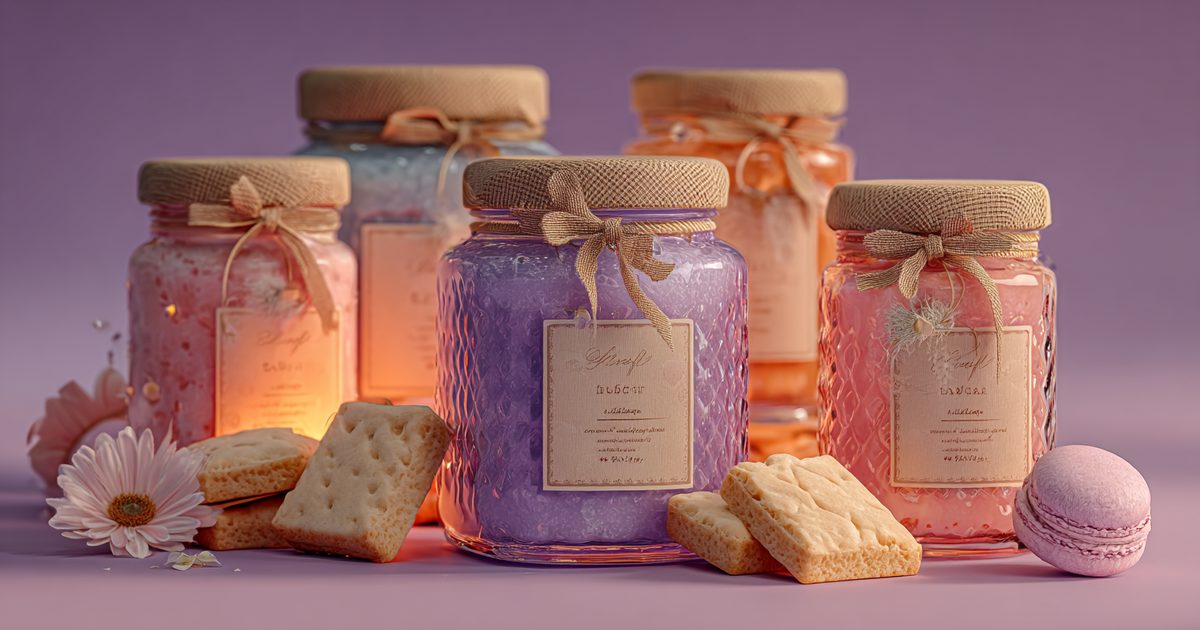
Handmade edible gifts: jams, sauces, rubs and bake-ahead Christmas treats
Of all the handmade gift tiers, the edible one has the highest welcome rate: nobody has to store it, display it or pretend to use it — they just have to eat it, which people reliably enjoy. A jar of genuinely good jam beats most $30 bought gifts. The catch is lead time: the edible gift season is won in November, which is why this guide lands now.
What to make (by effort level)
The weekend batch — preserves and bottles. One Saturday of production stocks a whole season:
- Jam and marmalade — summer fruit is coming into season; small jars, proper set, and they’ll ask for it annually
- Chilli oil, chilli crisp and hot sauces — the current king of edible gifts, especially for the hard-to-buy-for men of the family
- Spice rubs and seasoning blends — trivially batchable, long shelf life, and a natural companion gift for anyone who received a cutting board from you
- Infused spirits and liqueurs — limoncello, coffee liqueur, spiced rum: start these now; most want weeks to mellow
The December week — bake-ahead treats. Shortbread, rum balls, gingerbread, rocky road, biscotti — all keep for weeks in tins, all batch into multiple gifts, all slot into the survival calendar’s baking window rather than its panic window.
The assembly tier — zero cooking. Layered cookie-mix jars, hot chocolate kits with good chocolate and marshmallows, s’mores boxes for the summer holidays. Ten minutes each, huge with kids as givers — an edible kit is the best answer to “what can the kids give the teachers?” (More on teacher gifts in two weeks.)
Packaging is half the gift
The identical shortbread reads homely in a zip-lock bag and artisan in a tin with a stamped label. The upgrade list: proper jars with new lids, kraft labels with contents and date, ribbon, and a one-line serving suggestion (“good on everything, dangerous on eggs”). Makers with a printer or cutter can go further — 3D-printed lid toppers and laser-etched tags turn a jar into a keepsake. And edible components are the natural soul of a hamper: your preserves next to bought crackers elevates both.
The rules that keep it safe (and good)
- Sterilise jars properly for anything preserved; when in doubt, refrigerate and label it so
- Date everything and note allergens — nuts especially, with kids in the mix
- Declare the lead times honestly: liqueurs need weeks, fruit cake wants feeding, fresh baking is a final-week job. Match the make to your December calendar, not your December optimism
- Claim your recipients early. If you’re covering the aunts with chilli oil, mark it on the family system so nobody doubles up with bought versions
One November Saturday, one December baking night, and half your list is handled — deliciously, cheaply, and with the kind of effort money specifically can’t buy.
Quick answers
How long do homemade edible gifts last? Properly sterilised preserves: months. Baked goods in tins: two to three weeks for shortbread and biscotti, days for anything soft. Infused spirits: improve for months. Match the make-date to the give-date and label both.
What’s the easiest edible gift for a beginner? Spice rubs and seasoning blends — no cooking, no sterilising, long shelf life, and they batch into a dozen jars in an hour. Chilli oil is the step up; jam the step after that.
How should you package food gifts? New jars with new lids, kraft labels with contents/date/allergens, ribbon, and a serving suggestion line. The packaging carries half the perceived value — a hamper setting carries the other half.
Are edible gifts okay for people you don’t know well? They’re the safest handmade tier — no size, no taste-risk beyond allergies (label everything), no storage burden. For teachers, neighbours and the Kringle draw, they’re close to unbeatable.
Ready to retire the group chat? 🎁 GiftGambit is free to join — wishlists, secret claims and Kris Kringle draws for the whole family.